

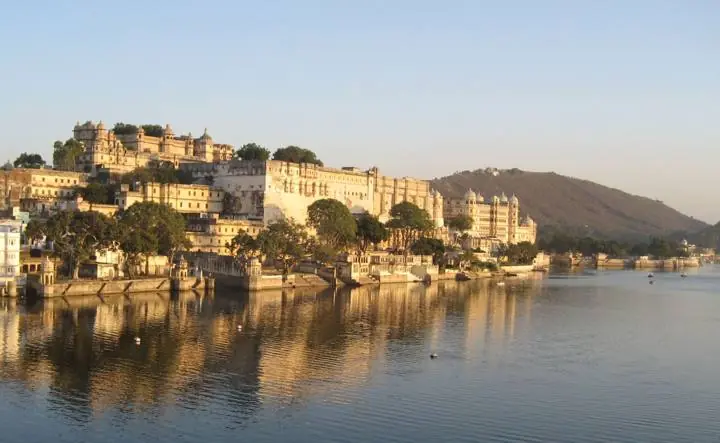
 Palaces
City Palace
Eleven palaces built over four centuries, stacked along Lake Pichola.
₹300–400 adult (museum)2–3 hours
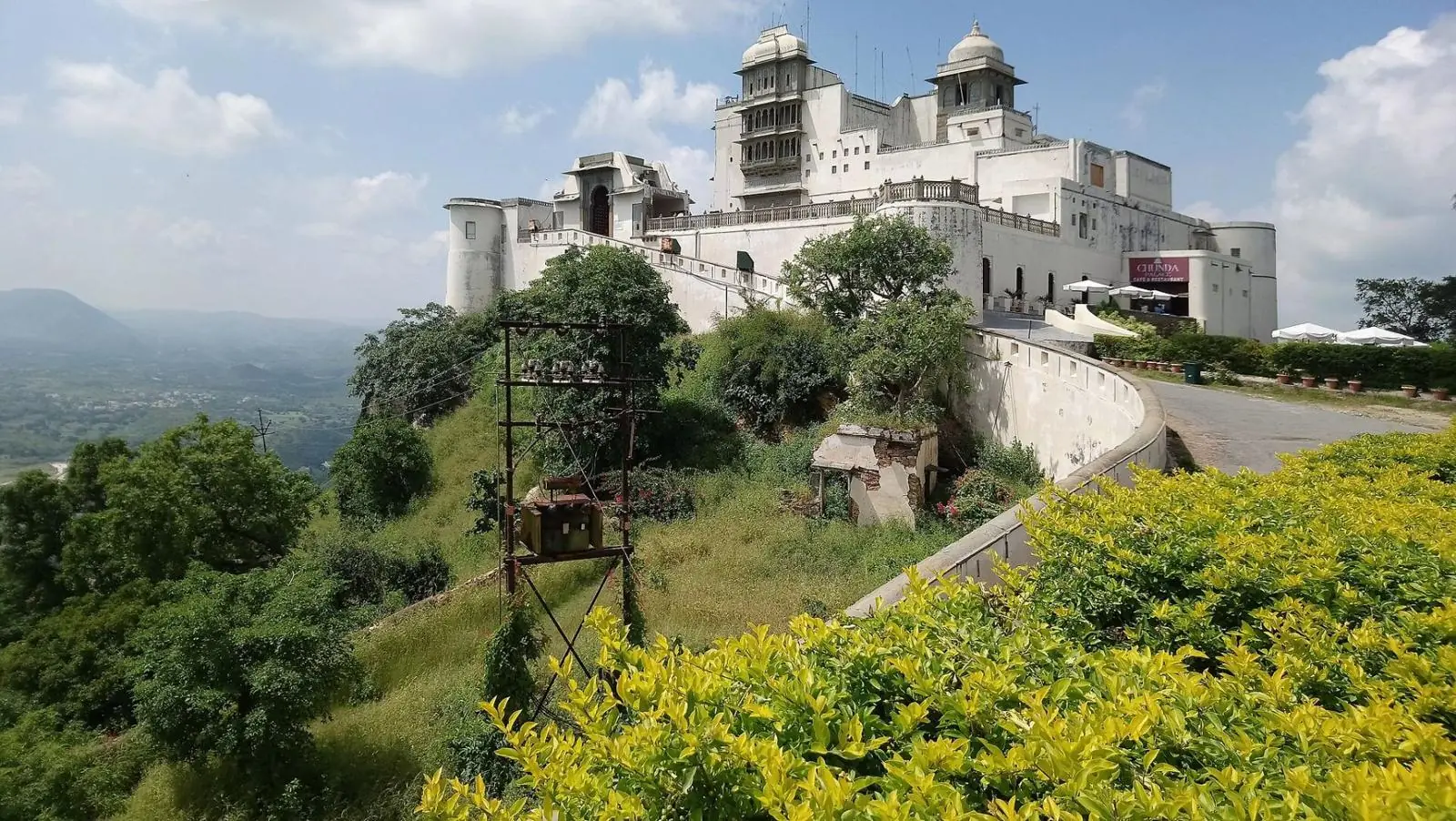
A 36-hectare wildlife park at the foot of the Monsoon Palace hill, with big cats, deer and birds.
Sajjangarh Biological Park opened to the public in 2015 on about 36 hectares at the foot of the hill crowned by the Sajjangarh Monsoon Palace. It was developed under the Rajasthan Forestry and Biodiversity Project as a modern zoo with large open enclosures.
Animals include leopards and other big cats, deer, marsh crocodiles and many birds. The park is beside the road up to the palace, so it pairs easily with sunset at Sajjangarh.
Combine it with these sights close by (straight-line distance):
Entry to Sajjangarh Biological Park: Ticketed · closed Tuesdays. Ticket prices were last published in 2015 and have likely changed; check at the gate.
Sajjangarh Biological Park timings: 9 am – 5 pm.
Time needed at Sajjangarh Biological Park: 2 hours.
Best time to visit Sajjangarh Biological Park: winter mornings, when the animals are most active.
Sajjangarh Biological Park is below Sajjangarh, west Udaipur, Udaipur, Rajasthan.
Closest sights to Sajjangarh Biological Park: Sajjangarh Monsoon Palace (about 900 m), Shilpgram (about 1.2 km) and Neemach Mata Temple (about 1.8 km).
Monsoon Palace. Photo: Roshan kumar, CC BY-SA 4.0
PalacesEleven palaces built over four centuries, stacked along Lake Pichola.
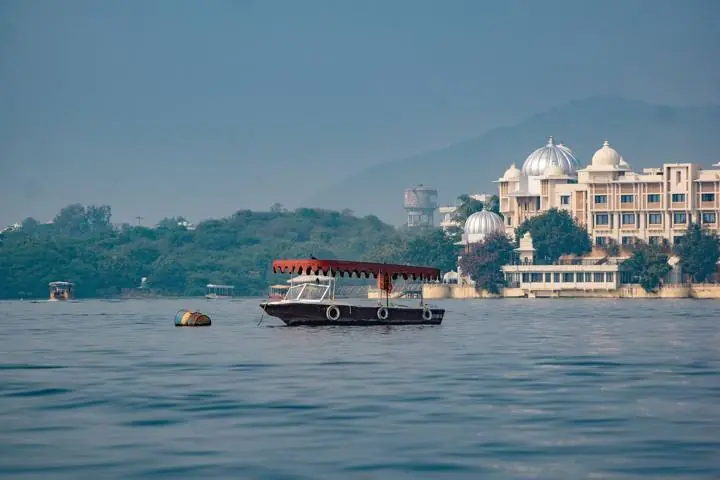 Lakes
The lake the city was built around. Take the sunset boat.
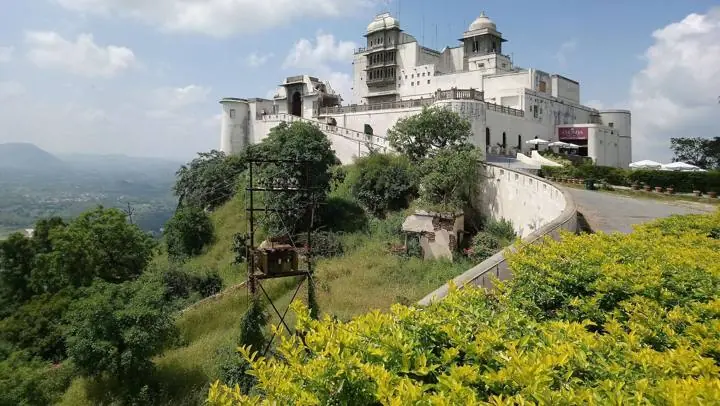 Viewpoints
A hilltop palace built to watch the monsoon clouds come in.
 Museums
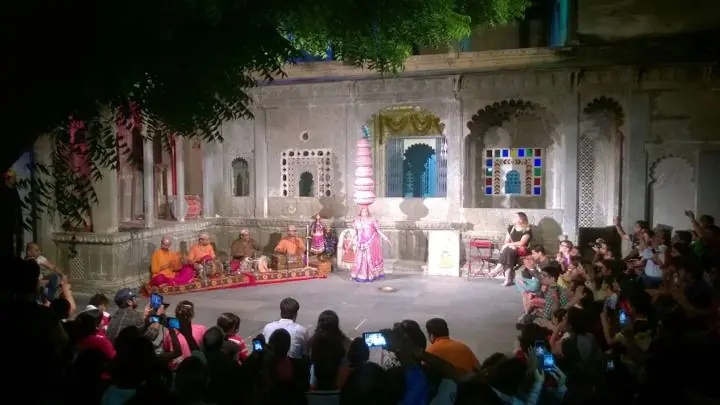
An 18th-century haveli on Gangaur Ghat with Udaipur's best folk show.